



Other Flavonoids
-
Other Flavonoids (201)

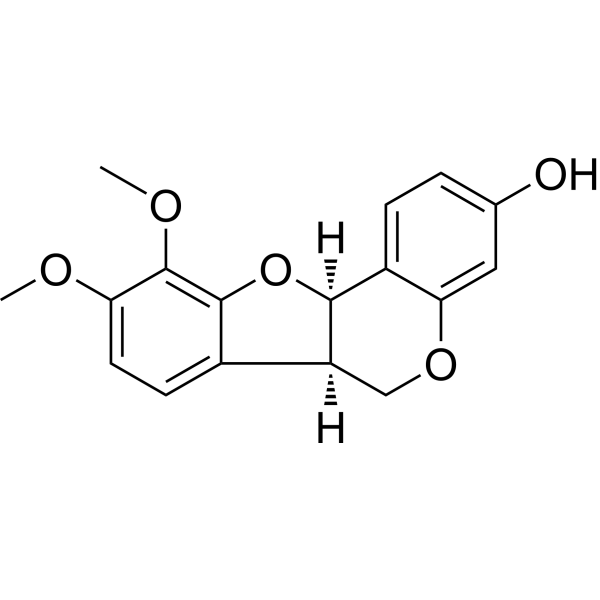
- Formula: C17H16O5
- Molecular Weight: 300.31
Methylnissolin (Astrapterocarpan) is an osteoclast inhibitor with anti-inflammatory, neuroprotective and antioxidant activities. Methylnissolin downregulates the activation of the MAPK and PI3K/AKT pathways, inhibits the phosphorylation of MAPK1 and AKT1, and blocks PDGF-BB-induced phosphorylation of ERK1/2. Methylnissolin reduces the expression and secretion of proinflammatory mediators, decreases intracellular ROS levels, upregulates antioxidant enzymes, and downregulates osteoclastogenesis markers. Methylnissolin is applicable to research related to ischemic stroke, osteoporosis, cardiovascular diseases, skin aging, etc.
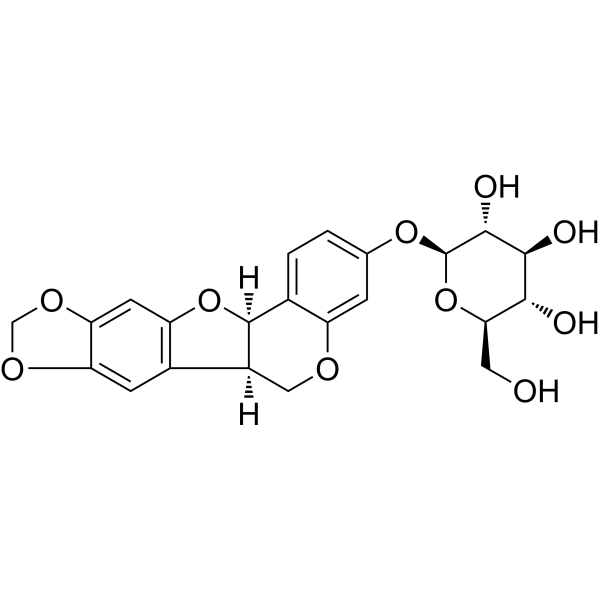
- Formula: C22H22O10
- Molecular Weight: 446.40
Trifolirhizin is a pterocarpan flavonoid found in the roots of Sophora flavescens. Trifolirhizin is a tyrosinase inhibitor with an IC50 value of 506.77 μM. Trifolirhizin reduces intracellular melanin production and modulates multiple signaling pathways including NFκB-MAPK, AMPK/mTOR, PI3K/Akt, MAPK-NFATc1 and EGFR-MAPK. Trifolirhizin targets biological molecules including PTK6 and COX-2, inhibits the activities of hyaluronidase, collagenase and elastase, induces apoptosis, autophagy and cell cycle arrest, and suppresses the proliferation, migration and invasion of cancer cells. Trifolirhizin exerts diverse pharmacological effects including anti-inflammatory, anti-asthmatic, bone-protective, renoprotective, antibacterial, antifungal, hepatoprotective, antiplatelet, estrogenic and wound-healing activities. Trifolirhizin can be used to investigate a broad range of malignant, inflammatory, metabolic and infectious disorders.
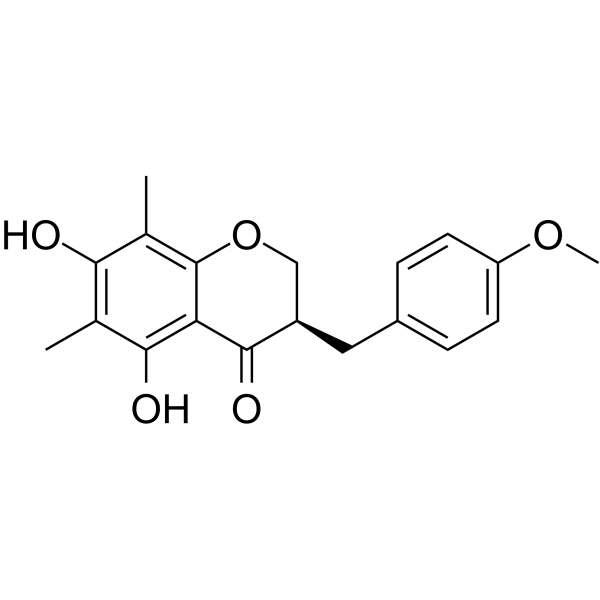
- Formula: C19H20O5
- Molecular Weight: 328.36
Methylophiopogonanone B is a homoisoflavonoid compound. Methylophiopogonanone B can be isolated from O. japonicus root. Methylophiopogonanone B promotes Rho activation and Tubulin depolymerization. Methylophiopogonanone B significantly increases GTP-Rho, but not GTP-Rac or GTP-CDC42. Methylophiopogonanone B induces cell morphological change via melanocyte dendrite retraction and stress fiber formation. Methylophiopogonanone B exhibits strong antioxidant activity. Methylophiopogonanone B can be used in the research of cervical cancer.
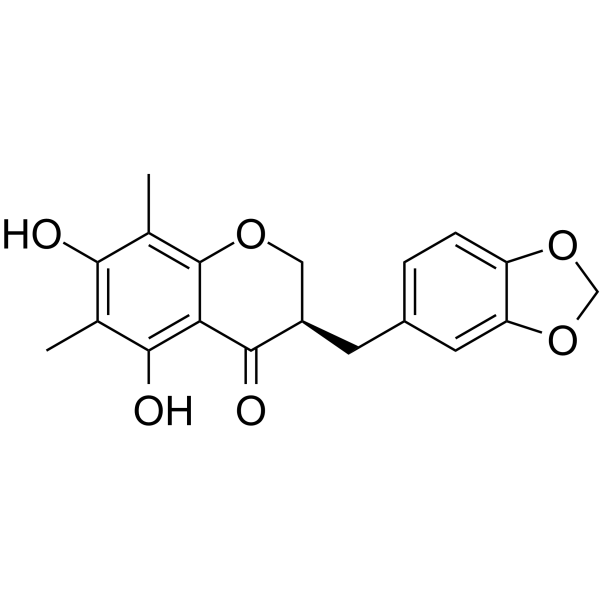
- Formula: C19H18O6
- Molecular Weight: 342.34
Methylophiopogonanone A, a major homoisoflavonoid in Ophiopogon japonicas, has both anti-oxidative and anti-inflammatory properties.
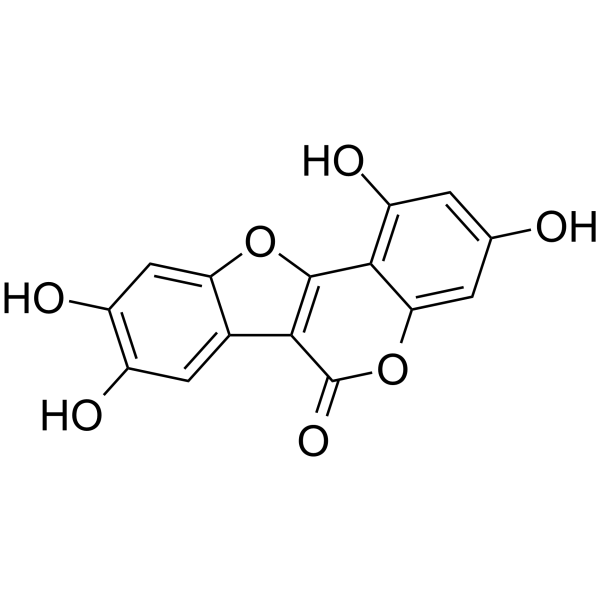
- Formula: C15H8O7
- Molecular Weight: 300.22
Demethylwedelolactone is a naturally occurring coumestan isolated from Eclipta alba. Demethylwedelolactone is a potent trypsin inhibitor with an IC50 of 3.0 μM. Demethylwedelolactone suppresses cell motility and cell invasion of breast cancer cell.

- Formula: C25H22O10
- Molecular Weight: 482.44
Isosilychristin is a P-glycoprotein inhibitor with an IC50 of 25.9 μM. Isosilychristin downregulates the expression of transmembrane efflux pumps, exerts intracellular antioxidant effects, and inhibits NO production in macrophages. Isosilychristin regulates cell cycle progression, and exerts weak antiproliferative and colony formation inhibitory effects in prostate cancer cells. Isosilychristin reduces bacterial intercellular communication and reverses the drug resistance of Staphylococcus aureus. Isosilychristin can be used in studies related to prostate cancer, inflammation and bacterial infections.

- Formula: C13H14O4
- Molecular Weight: 234.25
LL-D253g is a chromanone (phomoxanthone derivative) isolated from the coral symbiotic fungus Parengyodontium album sp. SCSIO 40430, and it shows no activity against bacteria.

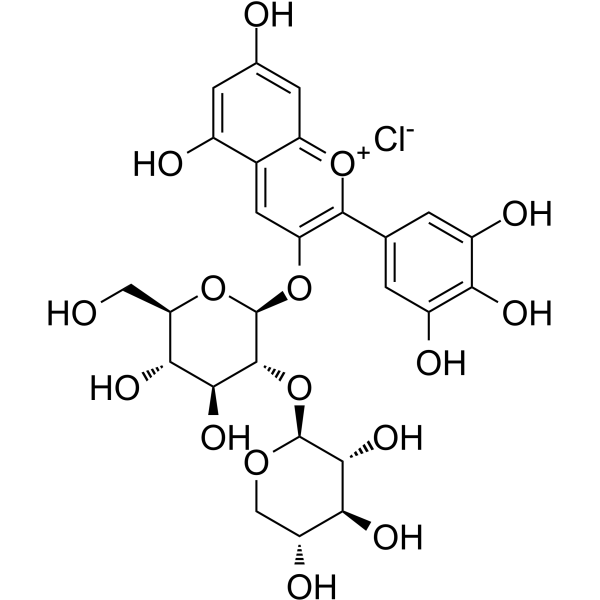
- Formula: C26H29ClO16
- Molecular Weight: 632.95
Delphinidin-3-sambubioside (Dp3‐Sam) chloride is an anthocyanin that has orally active anti-inflammatory activity. Delphinidin-3-sambubioside chloride inhibits LPS-induced inflammatory factors release. Delphinidin-3-sambubioside chloride also alleviates hepatic lipid accumulation in HFD rats. Delphinidin-3-sambubioside chloride can be isolated from Hibiscus sabdariffa L..
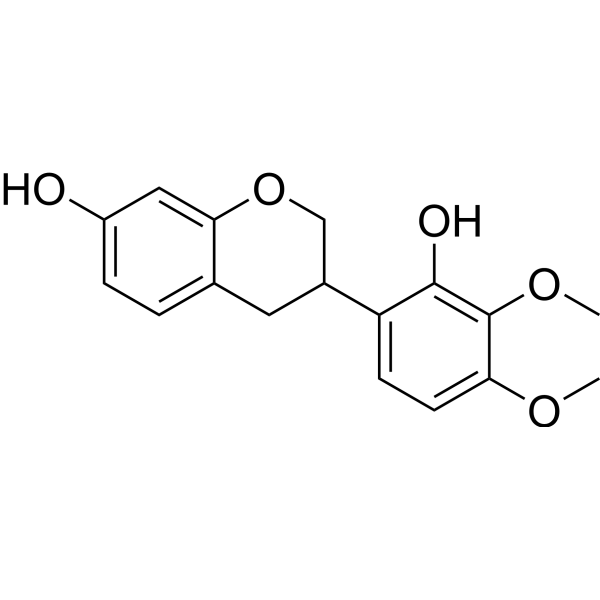
- Formula: C17H18O5
- Molecular Weight: 302.32
Isomucronulatol is a flavonoid isolated from the roots of A. membranaceus. Isomucronulatol exhibits inhibitory effects on LPS-stimulated production IL-12 p40 in vitro and has potential anti-inflammatory effect.
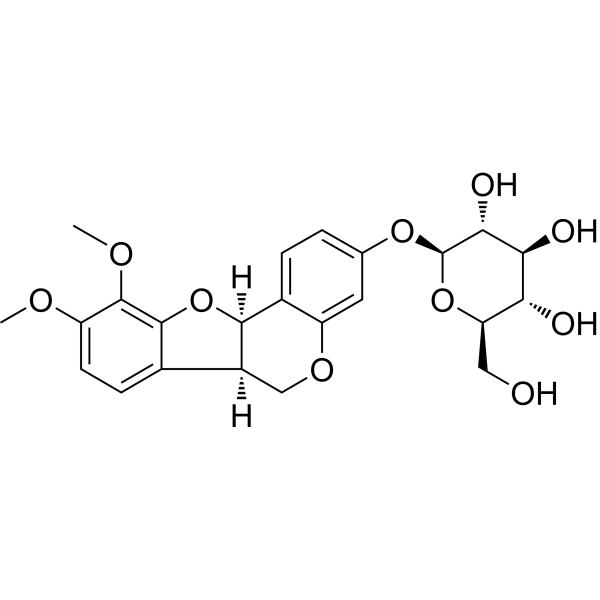
- Formula: C23H26O10
- Molecular Weight: 462.45
Methylnissolin-3-O-glucoside (Methylnissolin-3-O-β-D-glucoside) is a flavonoid from the roots of Astragalus membranaceus with anti-inflammatory effects.
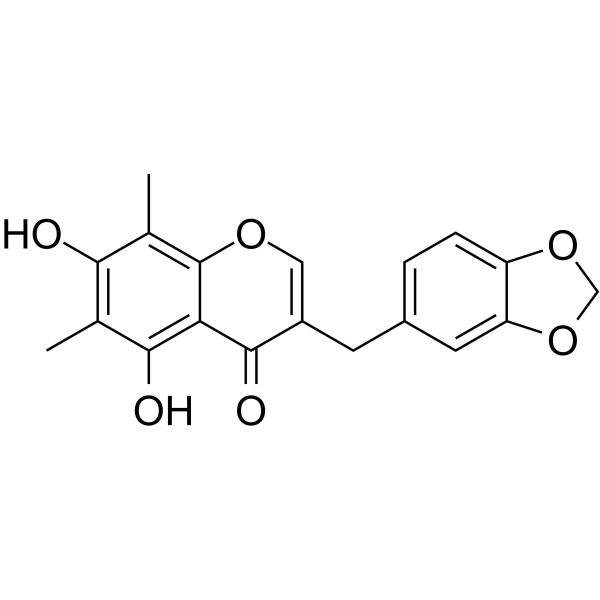
- Formula: C19H16O6
- Molecular Weight: 340.33
Methylophiopogonone A is a homoisoflavonoid compound found in the tuberous roots of Ophiopogon japonicus. Methylophiopogonone A inhibits lipopolysaccharide-induced NO production in mouse microglia with an IC50 of 19.2 μM. Methylophiopogonone A blocks the proliferation of LX-2 hepatic stellate cells and downregulates TGF-β1-induced expressions of type I collagen and α-SMA. Methylophiopogonone A blocks RELA/EGFR-mediated hepatic stellate cell activation, inhibits the MAPK12 pathway to reduce extracellular matrix accumulation, and simultaneously suppresses inflammatory signal transduction. Methylophiopogonone A can be used in studies related to chronic hepatitis B-associated hepatic fibrosis and neuroinflammation.
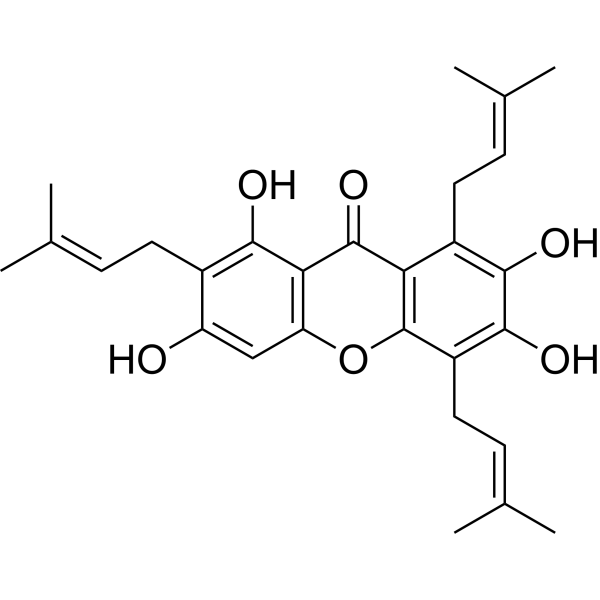
- Formula: C28H32O6
- Molecular Weight: 464.55
Garcinone E is a natural xanthone found in the rind of the mangosteen fruit. Garcinone E induces apoptosis and inhibits cancer cell migration. Garcinone E has anticancer effects on different human cancer cell lines, including colorectal, breast, and hepatocellular carcinomas.
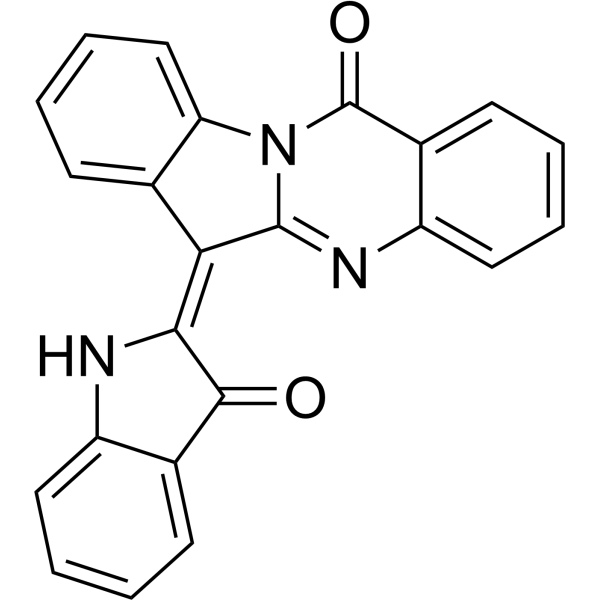
- Formula: C23H13N3O2
- Molecular Weight: 363.37
Qingdainone is a quinazoline alkaloid and also a TMPRSS2 inhibitor. Qingdainone can be isolated from Strobilanthes cusia. Qingdainone exhibits anti-tumor and anti-inflammatory activities. Qingdainone can be used in studies related to chronic myeloid leukemia.
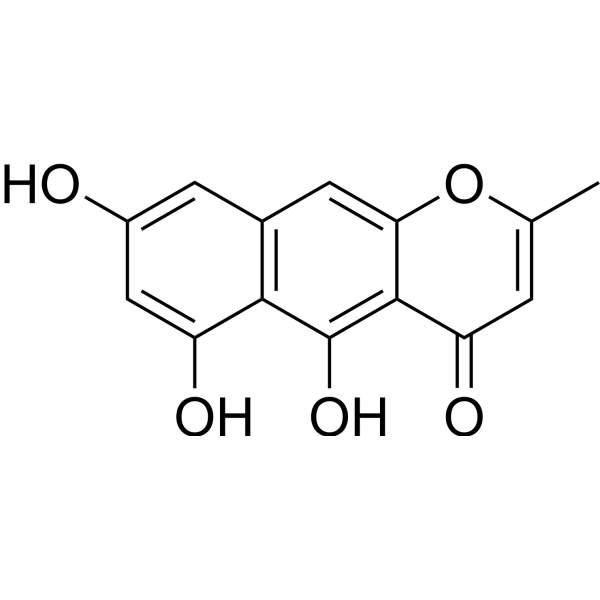
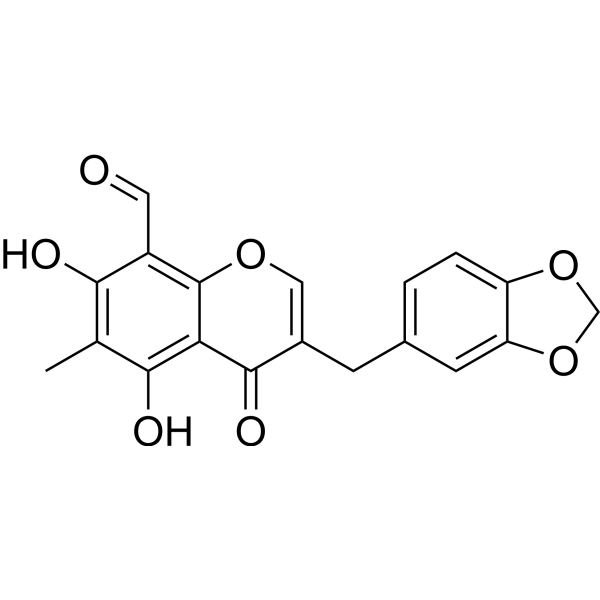
- Formula: C19H14O7
- Molecular Weight: 354.31
Ophiopogonone C (compound 3) is an isoflavone compound isolated from the ethanol extract of Ophiopogon japonicus tubers.
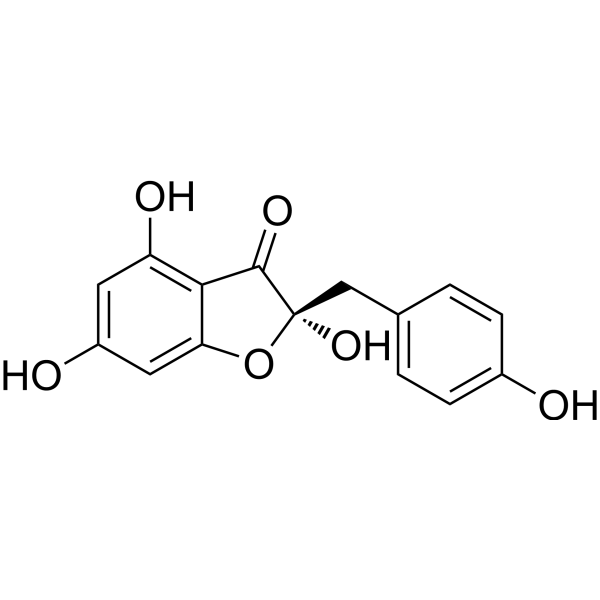
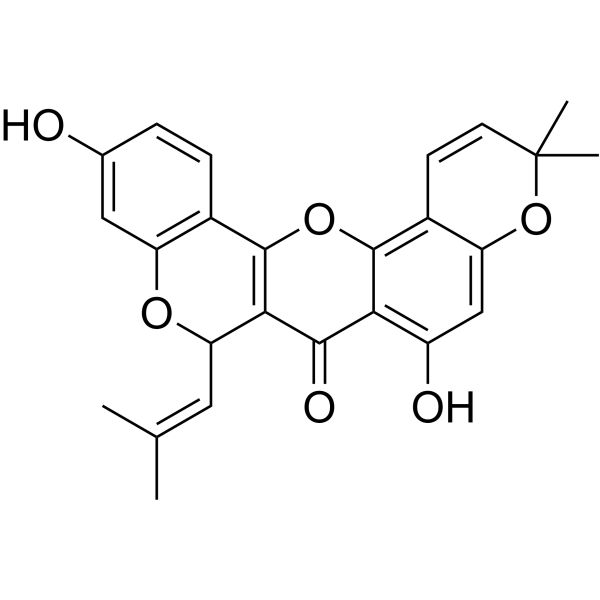
- Formula: C25H22O6
- Molecular Weight: 418.44
Cyclomorusin (Cyclomorusin A; Cyclomulberrochromene) is a prenylflavonoid with antiplatelet activity. Cyclomorusin also inhibits markedly collagen-induced platelet aggregation.
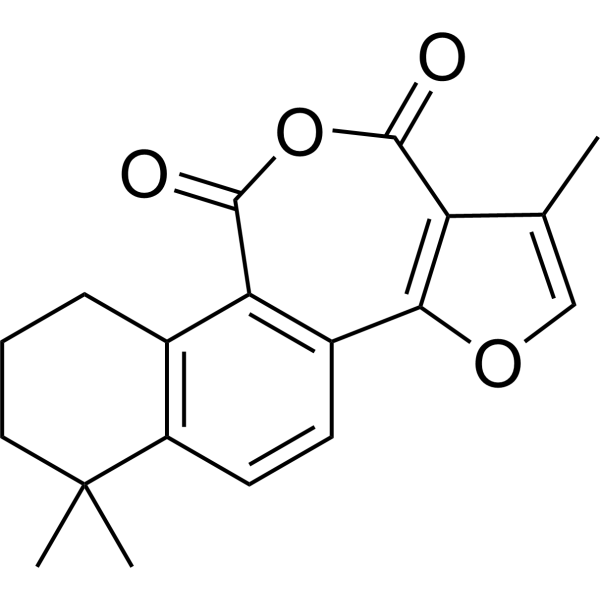
- Formula: C19H18O4
- Molecular Weight: 310.34
Tanshinone IIA anhydride, present in root extracts of Salvia miltiorrhiza, acts as an inhibitor of human carboxylesterase (CE). Tanshinone IIA anhydride has a Ki value of 1.9 nM against hCE1 and a Ki value of 1.4 nM against hiCE. Tanshinone IIA anhydride forms a stable covalent complex with serine Ser221 at the active site of hCE1, blocking the catalytic cycle of carboxylesterase, and the activity of the inactivated enzyme cannot recover spontaneously. Tanshinone IIA anhydride is applicable in metabolism-related studies.
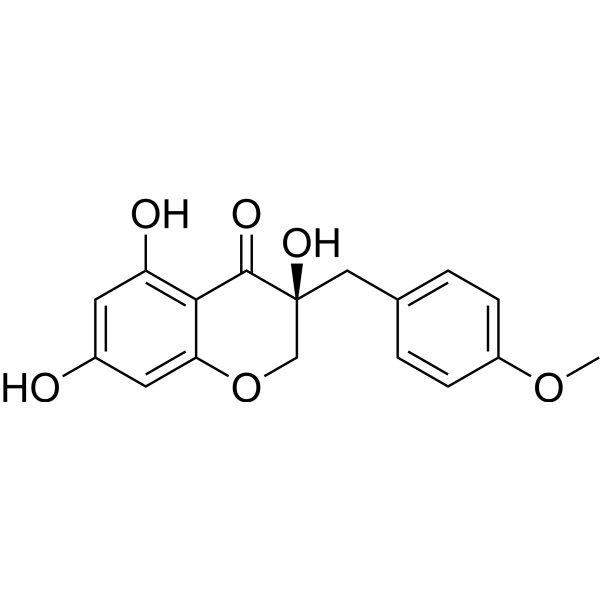
- Formula: C17H16O6
- Molecular Weight: 316.31
Eucomol has potent cytotoxicity against KKU-M156 and HepG2 cells with the IC50 values of 7.12 and 25.76? μg/mL, respectively. Eucomol can be isolated from an ethanolic extract of D. cochinchinensis.



